
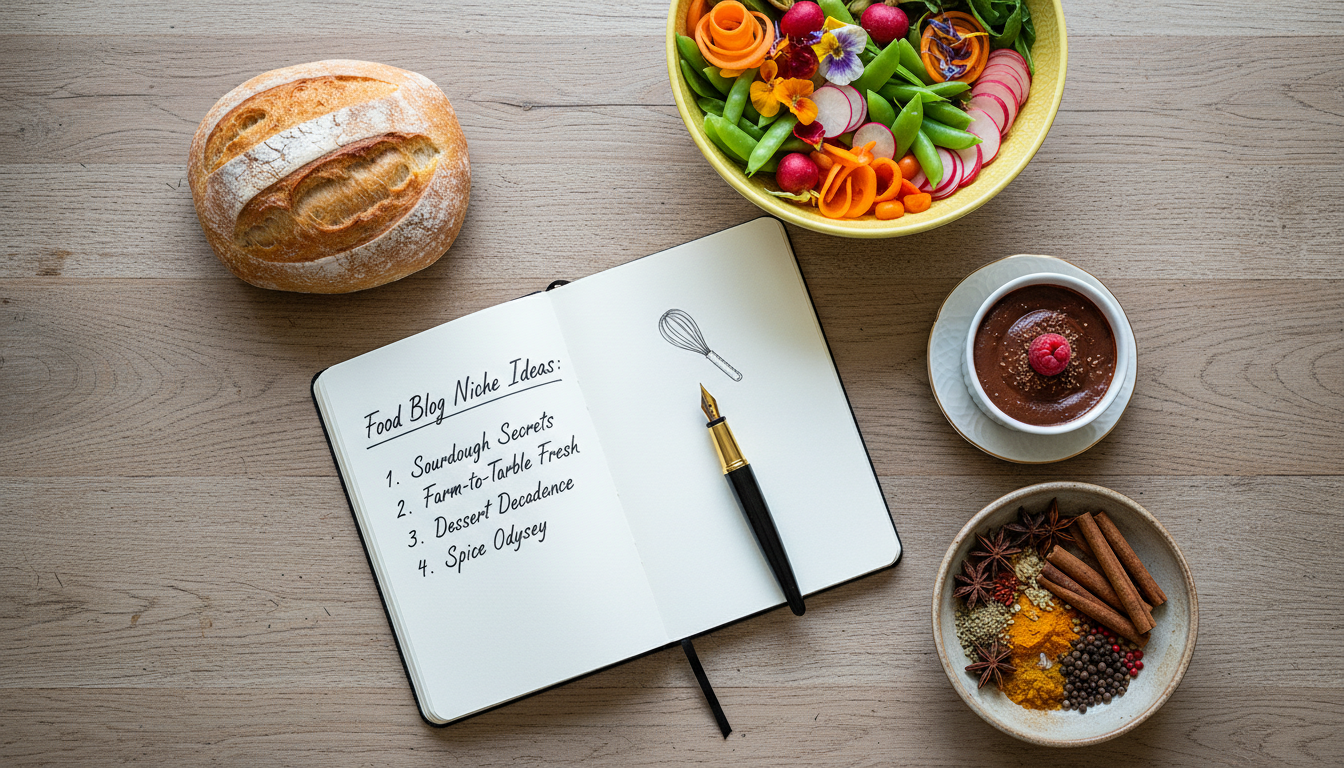
When I first considered diving into the vibrant world of blogging, the sheer volume of existing culinary content felt overwhelming. It seemed like every recipe, every cooking style, every dietary preference was already covered. This is precisely why finding your unique food blog niche isn’t just a good idea; it’s your secret ingredient for long-term success.
In today’s crowded digital landscape, a generic approach will leave you lost in the noise. A clear, well-defined niche helps you stand out, attract precisely the right audience, and create content that truly resonates. More importantly, it lays a solid foundation for sustainable monetization. This guide will walk you through a treasure trove of niche ideas, offering a robust framework for you to choose the perfect culinary focus for your blog.
Understanding the Power of a Niche
What is a Food Blog Niche?
Simply put, a food blog niche is a specialized area within the vast realm of food and cooking. Instead of trying to appeal to everyone with a general cooking blog, you’re focusing on a specific segment of the audience with particular needs, interests, or preferences. Think of it as opening a specialty bakery instead of a general grocery store – you might serve fewer people, but they’re your most dedicated customers.
The benefits of a focused food blog niche are numerous. You’ll find it far easier to generate content ideas because your topics are inherently bounded. This specialization also positions you as an expert, building authority and trust with your readers. Furthermore, a targeted audience is much more valuable to advertisers and for affiliate marketing, opening up stronger monetization opportunities for your delicious recipes.
Popular & Profitable Food Blog Niche Ideas
Here are some of the most compelling food blog niche ideas I’ve seen succeed, each offering a unique avenue for your culinary passion.
Diet-Based Niches
Many people today follow specific diets for health, ethical, or personal reasons, creating a huge demand for tailored recipes.
- Gluten-Free Recipes: This is a powerhouse niche for individuals with celiac disease or gluten sensitivities, as well as those simply opting for a gluten-reduced lifestyle. You could offer everything from bread substitutes to decadent desserts. For example, “The Bettered Blondie” does an amazing job sharing delicious gluten-free recipes that appeal to everyone.
- Vegan/Plant-Based Cooking: With the surge in plant-based eating, a blog dedicated to vegan recipes without meat or any animal products can thrive. Focus on deliciousness and variety, not just deprivation.
- Keto and Low-Carb Meals: The ketogenic diet continues to be popular for weight management and other health goals. Providing creative, satisfying recipes that adhere to strict carb limits is a highly sought-after service.
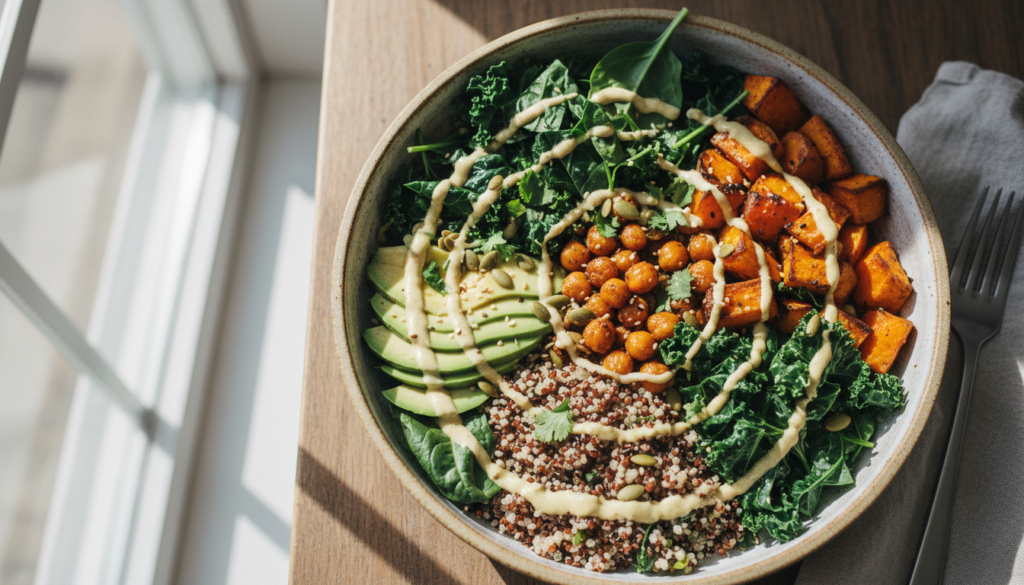
- Healthy Eating/Clean Eating: This broad niche focuses on nutritious, wholesome foods, often emphasizing fresh, unprocessed ingredients. You might explore seasonal healthy bowls, meal prep ideas, or nutrient-dense snacks. Take “The Clean Eating Couple” for instance; they’ve built a strong following by sharing approachable, healthy recipes.
- Dairy-Free Recipes: For individuals with lactose intolerance or those avoiding dairy for other reasons, a dedicated resource for dairy-free alternatives and recipes is invaluable.
- Allergy-Friendly Cooking: Expanding beyond single ingredients, this niche addresses multiple common allergens (e.g., nut-free, egg-free, soy-free). It requires meticulous recipe development but serves a deeply grateful audience.
- Specific Health Conditions: You could even niche down further, creating recipes tailored for conditions like diabetes, hypertension, or inflammatory bowel disease. This requires careful research and often collaboration with health professionals, but the impact can be profound.
Cuisine & Culture-Based Niches
Exploring specific cuisine types or culinary traditions offers a vibrant and often endlessly deep well of niche ideas.
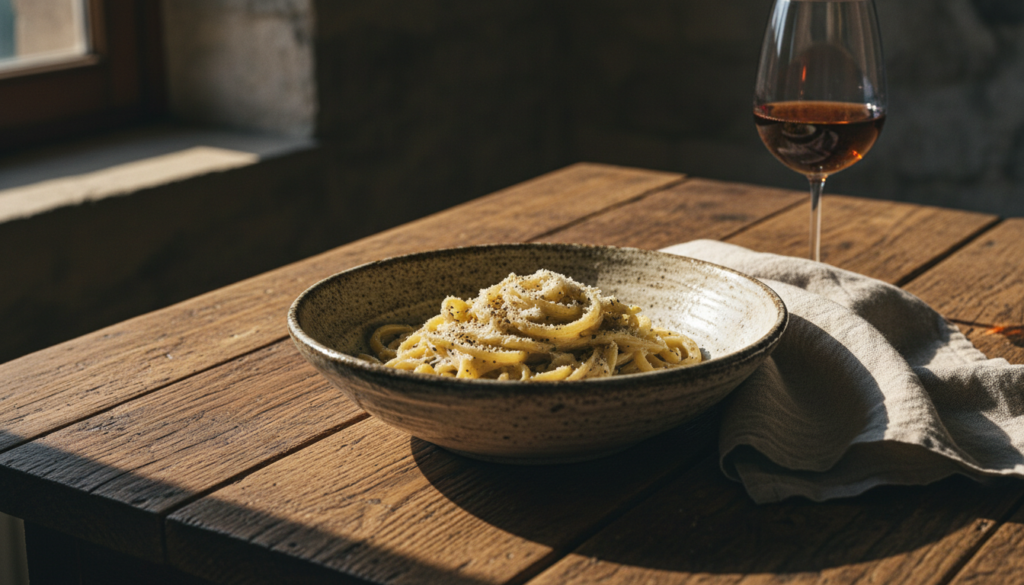
- Ethnic/Regional Cuisine: Dive deep into one specific culture’s food, mastering its techniques, ingredients, and stories. Whether it’s authentic Italian pasta recipes, vibrant Mexican street food, complex Indian curries, or savory Middle Eastern dishes, the depth of this niche is its strength.
- Fusion Cuisine: This creative niche blends culinary traditions, offering innovative and exciting new flavor profiles. Think Korean tacos, sushi burritos, or Italian-Thai curry recipes.
- Street Food Focus: Travel virtually (or physically!) to explore global street food culture. Recreate iconic street food recipes at home, sharing the history and local context behind each dish.
- Historical/Traditional Recipes: For the culinary historians among us, this niche can involve researching and reviving classic dishes from different eras or specific regional traditions. It’s a wonderful way to preserve culinary heritage.
Cooking Style & Technique-Based Niches
Focusing on a particular cooking method or appliance can simplify content creation and attract an audience eager to master a specific skill.
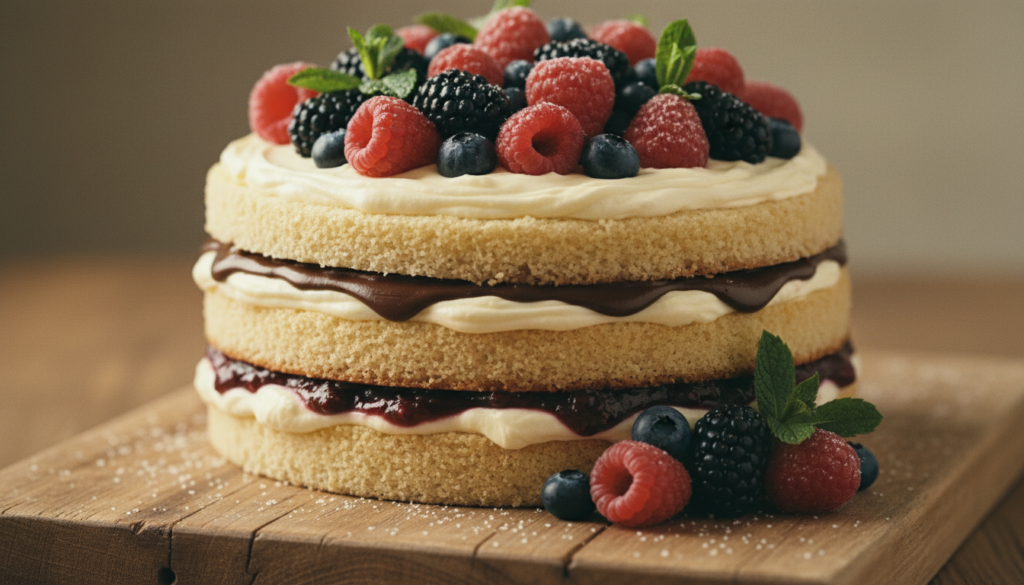
- Baking Blog: This classic niche is always popular. You could specialize further in breads, pastries, cakes, cookies, or even gluten-free baking. The possibilities are endless for those with a passion for dough and sweetness.
- Grilling & BBQ: Mastering the art of outdoor cooking, from slow-smoked briskets to perfectly seared steaks, is a highly desirable skill. Share your best tips, rubs, and recipes.
- Slow Cooker/Crockpot Recipes: For the convenience-focused cook, a niche dedicated to simple, delicious slow cooker meals is a lifesaver. Focus on minimal effort for maximum flavor.
- Air Fryer Recipes: This popular kitchen appliance has spawned an entire niche. Share creative recipes for everything from crispy vegetables to healthier fried favorites.
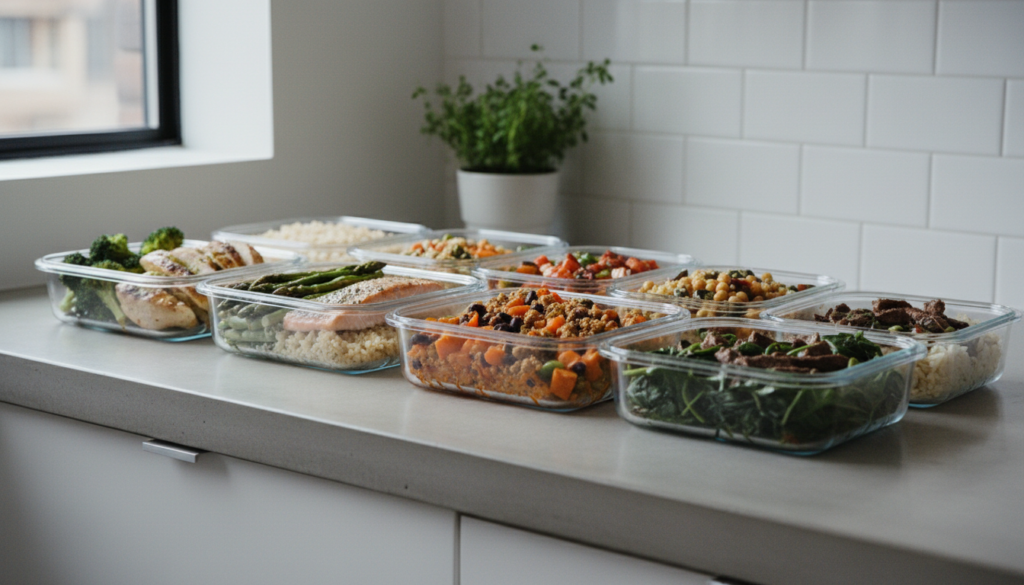
- Meal Prep Focused: This niche helps busy individuals prepare healthy meals in advance, often on a budget. Focus on efficient strategies, batch cooking, and storage tips alongside your recipes.
- Sous Vide Cooking: For those interested in precision cooking techniques, a blog dedicated to sous vide can attract an audience of culinary adventurers.
- One-Pot/One-Pan Meals: Simplicity and easy cleanup are the stars here. This niche offers practical recipes for busy weeknights, appealing to a broad demographic.
- Fermentation & Preserving: Focus on homemade ferments like sauerkraut, kimchi, or kombucha, alongside canning and preserving techniques. This is a very hands-on and educational niche.
Lifestyle & Audience-Based Niches
Tailoring your content to a specific lifestyle or demographic can build a loyal community.
- Budget-Friendly/Frugal Cooking: This niche helps people eat well without breaking the bank. Share inexpensive recipes, money-saving grocery shopping tips, and ways to reduce food waste.
- Family-Friendly Meals: Creating recipes that appeal to all ages, from picky toddlers to discerning adults, is a constant challenge for many parents. This niche provides much-needed solutions.
- Cooking for One/Small Households: Often overlooked, this audience struggles with portion control and preventing waste. Share tailored recipes for individuals or couples.
- Gourmet/Fine Dining at Home: Elevate the home cooking experience with sophisticated recipes, plating tips, and techniques for aspiring home chefs looking for a challenge.
- Quick & Easy Meals (30-Minute Meals): Solutions for busy individuals who want delicious food fast are always in demand. Focus on efficiency without sacrificing flavor in your recipes.
- Smoothies & Drinks: A very specific and potentially profitable niche, focusing on healthy smoothies, creative cocktails, or homemade beverages.
- Food for Athletes/Fitness Enthusiasts: Develop recipes tailored for active lifestyles, focusing on protein, recovery, and energy-boosting ingredients.
- Seasonal & Local Eating: Celebrate ingredients available by season and support local farmers. This niche often emphasizes freshness and sustainability in its recipes.
- Entertaining & Party Food: Share recipes and tips for hosting, from elegant dinner parties to casual game day gatherings. Focus on crowd-pleasing dishes and presentation.
Ingredient-Specific Niches
Sometimes, the simplest niche ideas are the most effective. Focusing on a single ingredient or category can be surprisingly versatile.
- Chocolate Desserts: Who doesn’t love chocolate? A blog dedicated to all things chocolate – from brownies and cakes to truffles and drinks – could be a dream come true for many.
- Cheese-Focused Recipes: Celebrate the versatility of cheese with recipes featuring different varieties, from appetizers to main courses and even desserts.
- Specific Produce: You could center your blog around a specific fruit or vegetable, like pumpkin recipes during the fall, or year-round avocado recipes for breakfast, lunch, and dinner.
- Herbs & Spices: Explore flavor profiles and uses of various herbs and spices. Offer recipes that highlight their unique contributions and guide readers on how to build a flavorful pantry.
How to Choose Your Perfect Food Blog Niche
With so many intriguing food blog niche ideas, how do you pick just one? This crucial decision shouldn’t be rushed. I’ve found that the most successful bloggers blend personal passion with strategic market understanding.
A. Identify Your Passion & Expertise
This is where it all begins. What do you genuinely love to cook, eat, and talk about? What culinary areas do you already have a solid understanding of, or a burning desire to learn deeply? Your passion will fuel you through the inevitable challenges of blogging. If you’re not excited about your niche, it will show in your content, and you’ll quickly burn out. For example, if you adore experimenting with global flavors, an ethnic cuisine niche might be a natural fit.
B. Consider Your Audience
Who are you trying to help? What are their pain points, their desires, their dietary restrictions? Building your food blog niche around a specific audience means you can create highly relevant content that directly addresses their needs. Are you targeting busy parents, health-conscious millennials, or aspiring gourmet cooks? Understanding your ideal reader is paramount.
C. Analyze Market Demand
Even with immense passion, your niche needs an audience. While I don’t personally execute market research, I know experts often use tools like Google Trends to gauge interest in potential topics. Look for niches with steady or growing search interest, indicating people are actively looking for recipes and information in that area. Avoid overly saturated markets unless you have a truly unique angle.
D. Assess Monetization Potential
Can you earn income from this niche? Consider potential avenues like affiliate marketing for specific products (e.g., keto snacks, air fryer accessories), selling your own digital cookbooks, or partnering with brands relevant to your audience. A niche for gourmet chocolate recipes might lend itself well to partnerships with high-end chocolate brands, for instance.
E. “Niche Down” Further
Sometimes, a broad niche like “healthy eating” can still be too wide. The power of a “niche within a niche” is immense. Instead of just “Vegan Cooking,” consider “Vegan Freezer Meals” or “Gluten-Free Baby Food.” This level of specialization allows you to become the go-to authority for a very specific query, making it easier to rank in search engines and build a dedicated following.
F. Long-Term Viability
Can you consistently create engaging content for this niche for years to come? Does it have enough depth and breadth to prevent you from running out of niche ideas after just a few months? Think about a content calendar and brainstorm at least 50-100 potential post titles before fully committing to ensure sustained creativity.
G. Don’t Be Afraid to Combine Niches
Some of the most innovative food blog niche ideas come from combining two complementary areas. Think “Vegan Freezer Meals” (diet + cooking style), “Budget-Friendly Air Fryer Recipes” (lifestyle + cooking method), or “Gluten-Free Italian Cuisine” (diet + cuisine). This hybrid approach can create a truly unique and appealing blog identity.
Key Steps After Choosing Your Niche
Once you’ve zeroed in on your perfect food blog niche, your culinary journey truly begins. This isn’t the finish line, but the starting gun.
First, you’ll want to develop your unique brand voice. How will you communicate with your audience? Will you be witty, instructional, comforting, or adventurous? Consistency here helps build connection. Next, focus relentlessly on creating high-quality, engaging content. This means well-researched recipes, helpful tips, and compelling stories. Crucially, invest time in mastering food photography; delicious visuals are non-negotiable for a food blog. Finally, actively promote your blog across social media and other platforms, and foster a vibrant community around your specific niche.
Your Culinary Journey Starts Here
The journey to building a successful food blog can be incredibly rewarding, but it begins with a single, crucial decision: choosing your food blog niche. It’s the compass that will guide your content, define your audience, and unlock your monetization potential. I’ve offered a wealth of niche ideas, from diet-based recipes to specific cooking methods and cuisines, to spark your imagination.
Remember to blend your genuine passion with a strategic understanding of market demand. With a clear focus and a commitment to providing value, your culinary expertise will shine through. Now, go forth and discover your unique flavor in the vast world of food blogging!