
For the frugal living enthusiast, the modern wedding industry represents a philosophical paradox. We are told that the depth of our love is directly correlated to the depth of our spending—a narrative driven by a multi-billion dollar “Wedding Industrial Complex.” The average cost of a wedding in the United States often hovers between $28,000 and $35,000. For those of us focused on financial freedom, debt reduction, and value-based living, setting fire to that amount of capital for a six-hour party isn’t just impractical; it feels negligent.
However, rejecting the high cost doesn’t mean rejecting the celebration. You can facilitate a debt-free wedding that is legally binding, emotionally resonant, and visually stunning without succumbing to consumerist pressure. This guide is not about cutting corners to produce a “cheap” version of a luxury event. It is about reimagining the event entirely to align with your financial goals.
We are shifting the focus from the day to the marriage. Here is the definitive strategy for navigating the logistics of love without mortgaging your future.
Phase I: The Big Three Cost Killers
When analyzing a wedding budget, the Pareto Principle applies: 80% of your costs will come from 20% of your decisions. Specifically, three massive variables dictate the bottom line: the guest list, the venue, and the timing. If you optimize these three, the rest of the budget becomes manageable.
1. The Guest List: The Multiplier Effect
The single most effective way to slash a budget is not by DIY-ing centerpieces, but by reducing the headcount. Every person you invite triggers a “multiplier effect.” One guest equals one chair rental, one meal, three drinks, one slice of cake, one invitation, and a percentage of a centerpiece.
For the frugal strategist, the guest list must be ruthless. Consider the “Micro-wedding” approach, capping attendance at 20 to 50 people. If you struggle to cut names, utilize the “Dinner Test.” Ask yourself: Would I happily treat this person to a $100 dinner next Tuesday using my own money? If the answer is no, they should not be on the list.
2. The Venue: Breaking Free from the “Wedding Tax”
Traditional wedding venues charge a premium simply because they can. To achieve a wedding on a budget, you must look for spaces that do not primarily market themselves as wedding venues.
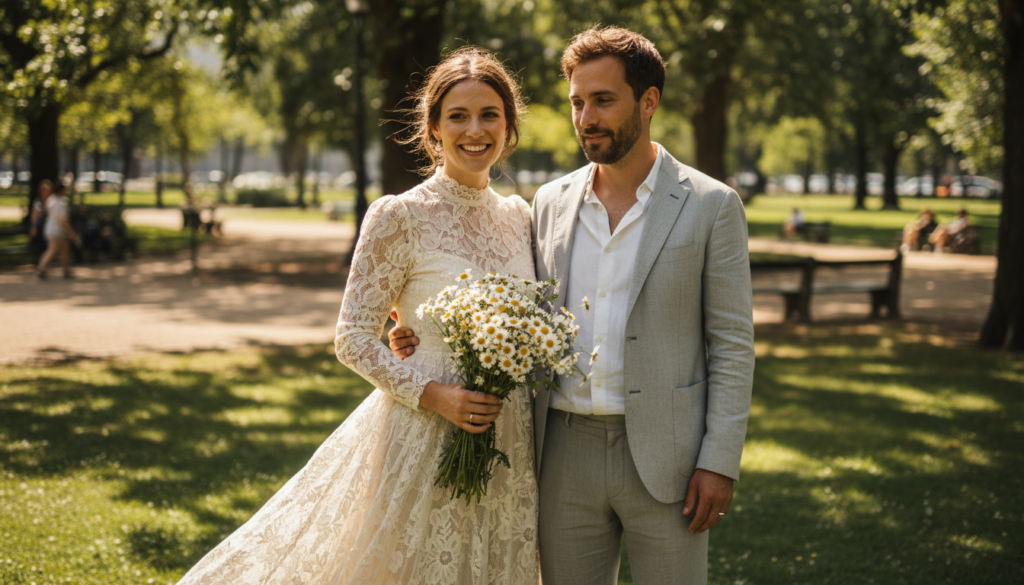
- Public Lands and Parks: National forests, state parks, and local botanical gardens often issue permits for ceremonies for under $200. These locations provide a naturally breathtaking backdrop, reducing the need for decor.
- The “Pop-Up” Ceremony: For ultra-small lists, consider a standing ceremony in a public square or scenic overlook, followed immediately by a transition to a reception space.
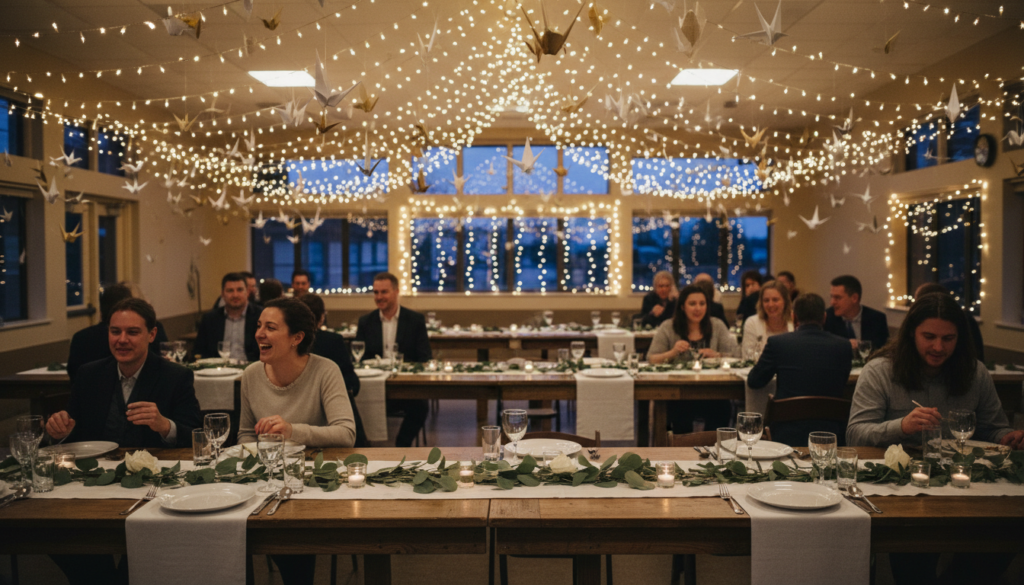
- Community Centers and Halls: While often overlooked due to their utilitarian visual appeal, local grange halls or community centers offer incredible value. With the right lighting and tablecloths, these spaces are blank canvases.
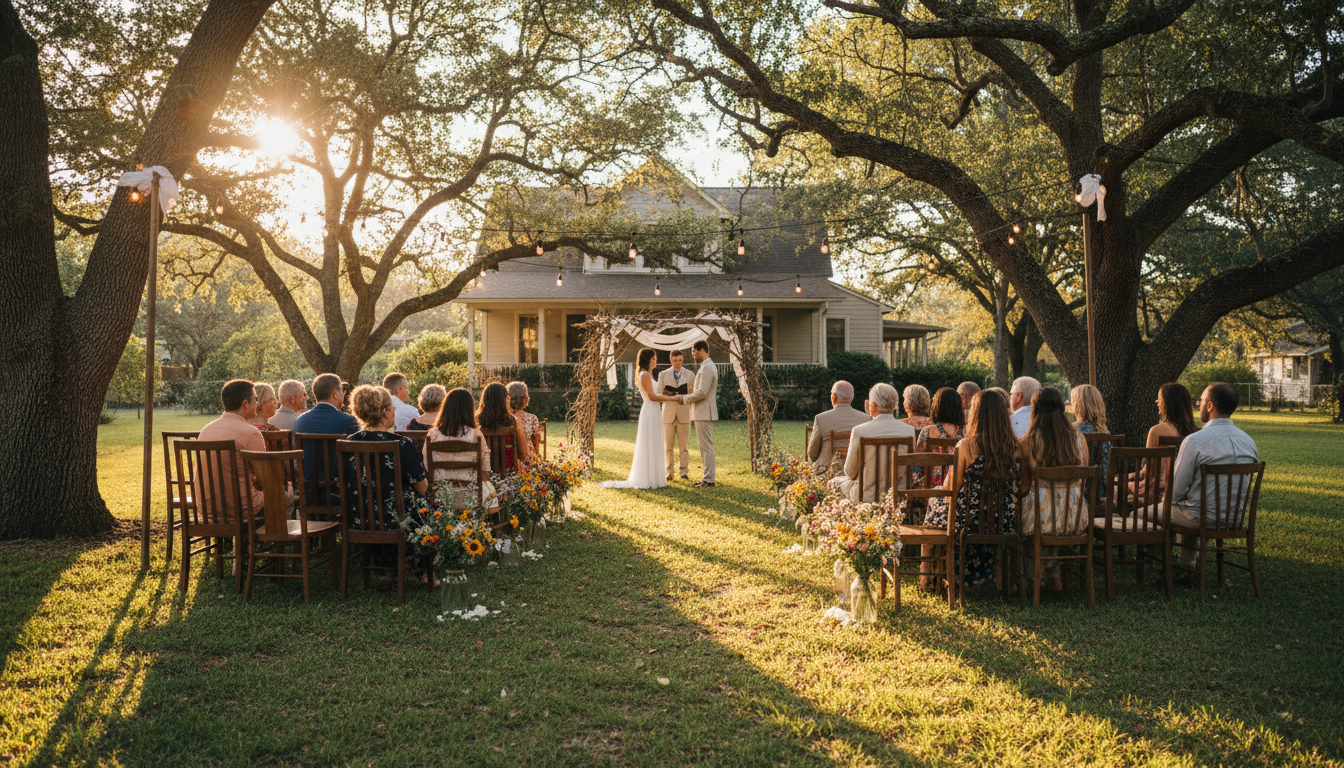
- Residential Spaces: A backyard reception eliminates the venue rental fee entirely. However, be wary of the hidden costs of tent and furniture rentals. This works best for lists under 40 people.
3. Date and Time Arbitrage
Supply and demand dictate wedding pricing. Saturday evenings in June are the “prime real estate” of the industry. By shifting your timeline, you capitalize on off-peak pricing.
- The Brunch Wedding: Hosting a morning ceremony followed by a brunch reception is a financial power move. Breakfast foods (eggs, waffles, pastries) are exponentially cheaper than steak and fish. Furthermore, people drink significantly less alcohol at 11:00 AM than they do at 8:00 PM.
- Mid-Week or Sunday: Venues often offer 20% to 50% discounts for Thursday or Sunday bookings.

Phase II: Culinary Economics and Beverage Strategy
Catering often consumes 30-40% of the total budget. The traditional “chicken or fish” plated dinner is the most expensive way to feed a crowd. Here is how to hack the menu.
Drop-Off Catering vs. Full Service
“Wedding catering” implies full service: servers, bussers, and plated delivery. This service comes with a massive markup. Instead, look for “Drop-off Catering” from your favorite local restaurants.
A local BBQ joint, taco spot, or Italian family restaurant can often provide high-quality food in chaffing dishes for $15–$25 per head, compared to the $75–$150 per head charged by wedding caterers. You can hire two general staff members or teenagers from a local hospitality program to keep the buffet tidy and replenish trays, saving thousands in service fees.
The Cake Myth
The multi-tiered fondant cake is a relic. It is labor-intensive and difficult to transport.
- The Sheet Cake Swap: Buy a small, beautifully designed cake for the ceremonial cutting photos. For the guests, serve sheet cake kept in the kitchen. Costco and Whole Foods offer sheet cakes that taste superior to many dry wedding cakes for a fraction of the price.
- Dessert Potluck: For a community-focused feel, ask close family members to bake their signature pies or cookies in lieu of a gift. This is common in many cultures (like the “Cookie Table” in Pittsburgh) and adds a layer of intimacy.
The “Limited Bar” Approach
An open bar with top-shelf liquor is a budget destroyer. However, a cash bar can feel inhospitable. The middle ground is the Beer, Wine, and Signature Drink model.
- Beer & Wine: Buy in bulk from retailers that allow returns on unopened cases (check local laws).
- Signature Mocktail/Cocktail: Create one or two batched drinks. This controls the liquor inventory and speeds up service.
- Pro Tip: If your venue allows you to bring your own alcohol (BYOB), you avoid the 300% markup venues charge on bottles.
Phase III: Attire, Decor, and Photography
The visual elements of a wedding are where “style” battles with “solvency.” You can achieve a high-end look through secondhand markets and minimalism.
The Secondhand Attire Revolution
A wedding dress is the ultimate single-use item. Spending $2,000 on a garment worn for eight hours is antithetical to frugal living.
- Pre-Owned Markets: Websites like Stillwhite and Poshmark are goldmines for designer gowns at 50-70% off. Many are “sample” dresses or were bought and never worn.
- Rentals: For groomsmen, renting is standard. Brides can also utilize services like Rent the Runway for non-traditional bridal looks.
- Sample Sales: Visit local boutiques during sample sales to buy floor models at deep discounts.
Decor: The “No-Waste” Policy
Adopt a strict rule: If I cannot use it in my home, eat it, or resell it, I will not buy it.
- Grocery Store Flowers: Trader Joe’s and wholesale flower markets are the frugal planner’s secret weapon. Buy bundles of greenery (eucalyptus, ruscus) and white blooms the day before. Greenery is voluminous, cheap, and photographs beautifully.
- Digital Invitations: Paper invitations involve design costs, printing costs, and rising postage costs. Platforms like Greenvelope or a simple wedding website allow for digital RSVPs, saving hundreds of dollars and trees.
Strategic Photography
You do not need a photographer for 12 hours. The most important photos happen during the ceremony and a 1-hour portrait session.
- Partial Coverage: Hire a professional for a “minimony” or elopement package (2–4 hours). Capture the “first look,” the ceremony, and family portraits.
- Crowdsourcing: For the reception, encourage guests to upload their photos to a shared Google Drive or use a QR code service. The candid shots from friends are often more spirited than staged professional photos.
Advanced Strategy: The “Frugal Pro” Tactics
This section is for those willing to go the extra mile to optimize their return on investment.
1. The Art of Negotiation
Vendors expect negotiation, but it must be done respectfully. Do not ask them to work for free. Instead, ask: “I have a hard budget cap of $X. What can we remove from this package to hit that number?” This gives the vendor a way to lower the price by reducing their workload, creating a win-win.
2. Bartering Services
Do you have a skill? If you are a graphic designer, accountant, or web developer, you may find newer wedding vendors willing to trade services. A photographer building their portfolio might shoot your wedding in exchange for a website redesign.
3. The “Sinking Fund” Method
Do not cash flow the wedding from your monthly checking account. Months before the event, establish a Sinking Fund—a dedicated savings account where you deposit money specifically for the wedding. This prevents “lifestyle creep” and ensures you never spend money you don’t have.
Common Mistakes & Pitfalls to Avoid
Even the most disciplined frugal enthusiast can fall into these traps.
The “DIY” Burnout
There is an opportunity cost to your time. If saving $50 requires 10 hours of frustrating labor, you are “earning” $5 an hour. DIY only what you enjoy or what yields massive savings (like flowers or food). Do not DIY complex logistics that require professional oversight.
The Sunk Cost Fallacy
You might put a deposit down on a venue, only to realize later it requires using their expensive preferred caterer. The frugal choice is often to walk away from the deposit rather than bleeding thousands more to “save” that initial investment. Run the numbers. If losing a $500 deposit saves you $3,000 in mandatory catering costs, walk away.
Ignoring Hidden Costs
Your spreadsheet must include a 15-20% buffer. Taxes, service charges (often 20% on food/drink), gratuities for vendors, and alteration fees are rarely included in the sticker price. A $5,000 catering quote is actually closer to $6,500 once the final bill arrives.
Implementation Checklist: The Action Plan
Follow this linear path to ensure a debt-free union.
- Define the Total Cap: Look at your savings. Pick a number you can pay in full today. That is your budget.
- Draft the Guest List: Start small. Apply the “Dinner Test.”
- Secure the Venue: Prioritize parks, community spaces, or backyards. Lock this in first as it dictates the date.
- Book the “Big” Vendors: Photographer and Food. Negotiate packages based on hours and service levels.
- Attire & Rings: Shop second-hand, utilize family heirlooms, or buy non-traditional bands (silicone, titanium).
- The “Gap” Fillers: Two months out, handle music (Spotify playlist), alcohol (bulk buy), and decor (thrifting).
- Final Audit: One month out, review the budget. If you are over, cut from the “nice to haves” (favors, extra flowers).
Comprehensive FAQ
Q: Is it tacky to ask for cash instead of gifts?
A: No, it is increasingly common. However, phrasing matters. A “Honeymoon Fund” or “House Down Payment Fund” allows guests to feel they are contributing to a specific goal rather than just handing over cash.
Q: Can I really pull off a wedding for under $1,000?
A: Yes, but it requires a shift in format. A $1,000 wedding is likely a courthouse ceremony (approx. $100) followed by a dinner at a restaurant where you pay the bill for immediate family, or a backyard potluck reception.
Q: Do I have to feed my photographer/DJ?
A: Yes. It is industry standard and basic human decency to feed vendors working through a mealtime. Include them in your headcount for catering.
Q: How do I tell people they aren’t invited?
A: Be direct and blame the budget. “We are keeping the wedding incredibly intimate due to budget constraints and are only able to host immediate family. We would love to celebrate with you for dinner at a later date.”
Q: Is wedding insurance worth it for a budget wedding?
A: Generally, yes. For roughly $100-$150, you protect yourself against venue bankruptcy or liability issues. If you are hosting in a backyard, check your homeowner’s insurance policy first to see if you are covered.
Conclusion: The Financial Freedom Win
When the confetti is swept away and the flowers have wilted, the only thing remaining from your wedding day is your spouse, your memories, and your bank balance.
By choosing to have a wedding on a budget, you are not depriving yourself; you are prioritizing your future. You are choosing to start your marriage with a clean slate rather than a burden of debt. Whether it is a backyard barbecue, a micro-wedding in a national park, or a brunch at a local hall, the value of the event is defined by the love shared, not the money spent.
Plan smart, spend intentionally, and enjoy the freedom that comes with a debt-free “I do.”