You’ve heard the buzz, haven’t you? Pinterest. It’s more than just pretty pictures and recipe ideas. For countless entrepreneurs, for side-hustlers, for those yearning for something more, Pinterest is a silent, powerful engine of income. And I’m not talking about luck. I’m talking about strategy.
When I first started exploring online monetization, I admit, Pinterest wasn’t my immediate thought. But what I quickly realized, through deep dives and plenty of experimentation, is that this platform offers a distinct advantage, especially for beginners. It’s a place where discovery and intent beautifully intertwine.
Introduction: Unlocking Pinterest’s Earning Potential
I often tell people that Pinterest isn’t just a social media platform. It’s a visual search engine, a treasure trove of intent, and frankly, an underutilized goldmine for those ready to understand its mechanics.
Why Pinterest is Ideal for Monetization
Think about it: when do people go to Pinterest? They’re looking for inspiration. For solutions. For their next purchase. This means the audience here is already primed, already searching with a purpose.
- Visual Search Engine Advantage: Unlike Google, where text rules, Pinterest speaks the language of images. A stunning graphic can convey a thousand words and capture attention instantly. This visual-first approach is incredibly effective for product showcases or idea sharing.
- Audience Ready to Discover and Buy: I’ve observed that users often come to Pinterest in the early stages of their buying journey. They’re planning a home renovation, looking for a new outfit, or searching for gift ideas. You’re catching them when their wallet is, metaphorically, at least, open.
- Diverse Monetization Opportunities: This isn’t a one-trick pony. From selling your own creations to championing other brands, the pathways to make money are varied and robust. And that, I find, is truly exciting.
Getting Started: Setting Up Your Pinterest Foundation
Before you dive headfirst into affiliate links or product pins, we need to lay some groundwork. A solid foundation is everything. Believe me, I’ve seen countless beginners rush this, only to find their efforts fizzle.
Create a Pinterest Business Account
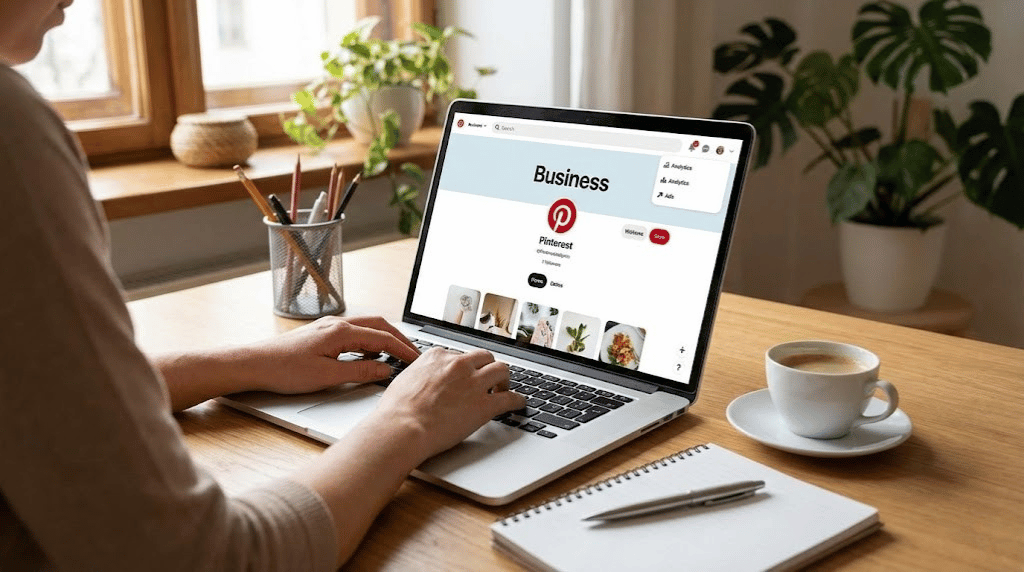
This isn’t optional. If you’re serious about making money, you need a Business Account.
- Benefits of a Business Account (Analytics, Ads, Rich Pins): This is where you get the data. I love analytics; they tell you what’s working and what’s not. With a business account, you access vital insights into your audience, your top-performing pins, and traffic. You also gain access to advertising tools and, critically, Rich Pins. More on those later, but trust me, they’re a game-changer.
- Steps to Convert or Create: It’s straightforward. If you have a personal account, you can convert it in your settings. Or, simply sign up for a new business account from scratch. Just be sure to link it to your website, if you have one.
Optimize Your Pinterest Profile
Your profile is your storefront. Make it shine.
- Crafting an Engaging Bio: This is your elevator pitch. Tell people what you do, who you help, and what value you provide. Use keywords related to your niche.
- Choosing a Niche and Branding Your Profile: Specialization matters. I’ve always advocated for finding your niche. What problem do you solve? What unique perspective do you offer? Brand your profile visually with consistent colors, fonts, and imagery that reflect your niche.
Understanding Pinterest SEO Basics
Yes, Pinterest has SEO. It’s how people find you.
- Keywords in Profile, Board Titles, and Pin Descriptions: Think like your ideal customer. What terms would they type into the Pinterest search bar? Sprinkle these keywords naturally throughout your profile description, in your board titles, and, most importantly, within every single pin description.
- Using Relevant Hashtags: Hashtags still matter here. They act like categories, helping your pins get discovered by a wider, relevant audience. Aim for a mix of broad and specific hashtags, usually 5-10 per pin.
Top Strategies to Make Money on Pinterest
Now, for the main event. These are the tried-and-true methods I’ve seen generate real income.
1. Affiliate Marketing
This is often where beginners find their footing. It’s relatively low-risk and highly scalable.
What is Affiliate Marketing on Pinterest?
- Promoting Products without Owning Inventory: You recommend products you love (or genuinely believe in), and when someone buys through your unique link, you earn a commission. It’s genius.
- Earning Commissions: Commissions vary wildly, from a few cents to significant percentages. The key is volume and relevance.
How to Get Started with Pinterest Affiliate Marketing
- Choosing Profitable Niches and Products: Focus on products that solve problems or inspire. Think about what people are already searching for on Pinterest. Home decor, fashion, beauty, DIY, recipes, parenting—these niches thrive here.
- Joining Affiliate Programs (e.g., Amazon Associates, ShareASale, Impact): These are great starting points. Amazon Associates is simple to join, offering a vast array of products. ShareASale and Impact host thousands of brands, allowing you to partner with companies in your specific niche.
- Creating Engaging Idea Pins and Standard Pins with Affiliate Links: Design eye-catching pins. Use high-quality images or videos. Your pin should intrigue people enough to click.
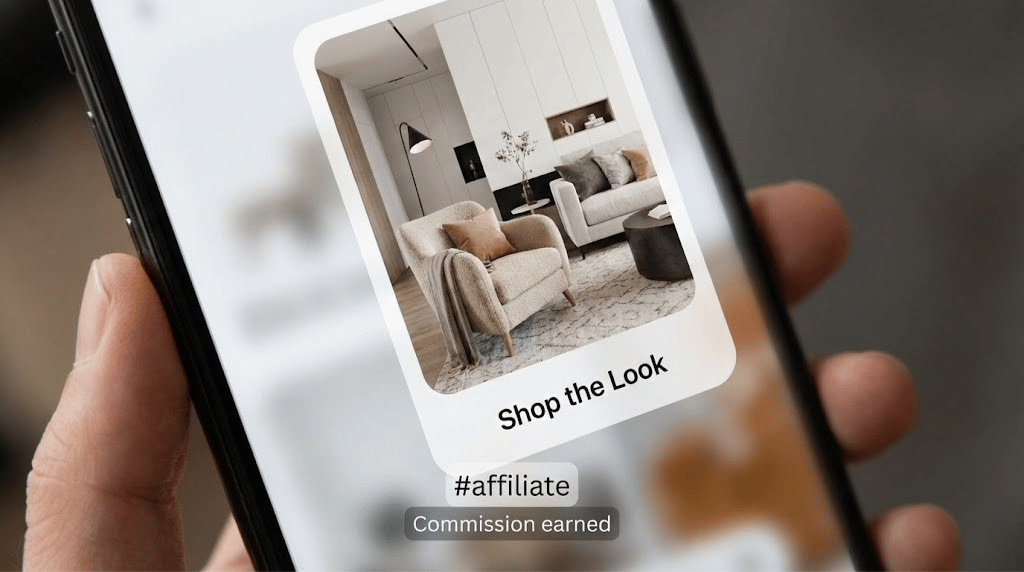
- Disclosure Requirements: This is critical. You must disclose that you’re using affiliate links. A simple “#ad” or “#affiliatelink” in the description is usually sufficient. Transparency builds trust.
Best Practices for Affiliate Pins
- High-Quality Visuals: Pinterest is visual. Don’t skimp here. Blurry, unappealing images will simply be scrolled past.
- Compelling Descriptions: Don’t just list the product. Tell a story. Explain why this product is amazing.
- Direct Links and Call-to-Actions: Make it easy for people to buy. Ensure your link goes directly to the product page. Use clear calls to action: “Shop Now,” “Learn More,” “Get Yours.”
For tips on affiliate programs check out our guide to the Best Affiliate Programs for Bloggers.
2. Selling Your Own Products (Physical & Digital)
This is where you truly leverage your creativity and expertise.
Selling Physical Products (E-commerce)
- Integrating Your Online Store (e.g., Shopify, Etsy): If you have an e-commerce store, Pinterest is your visual storefront. Integrate your shop directly. Shopify and Etsy are fantastic platforms for this, allowing you to create product pins that link directly to your listings.
- Creating Product Pins and Catalog Integration: Use Rich Pins to automatically pull product details like price and availability. You can also upload your entire product catalog, making it shoppable directly from Pinterest.
- Showcasing Products with Rich Pins: Rich Pins provide extra information directly on the pin itself, without the user having to click through. For products, this means current price, availability, and a direct link to purchase. It reduces friction, which I find incredibly valuable.
Selling Digital Products (e.g., Templates, Ebooks, Courses)
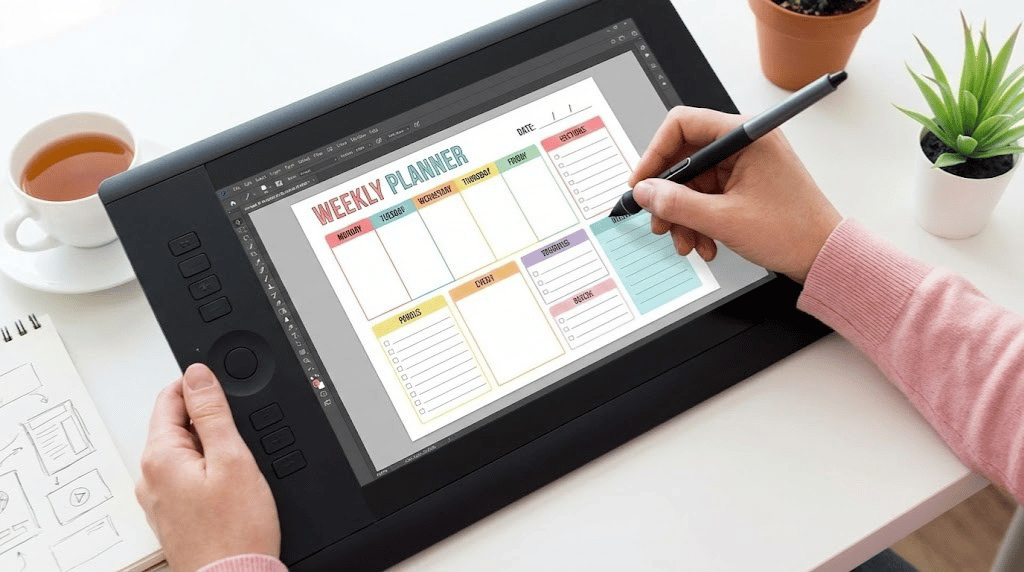
- Ideas for Digital Products for Beginners: This is a low-overhead powerhouse. Think planners, workbooks, printable art, social media templates, e-books, small online courses, or even stock photos. If you have knowledge or a skill, you can package it digitally.
- Driving Traffic to Your Sales Pages: Your pins become the visual advertisements for these digital goods. Create compelling pins that highlight the benefits of your product, then link directly to your sales page (e.g., on Gumroad, your own website, or Etsy).
- Examples: Planners, Printables, Stock Photos, Online Workshops: I’ve seen creators absolutely crush it selling these. A well-designed planner pin can attract thousands of clicks.
3. Driving Traffic to Your Blog or Website
Pinterest is a powerhouse for traffic generation. If you have a blog or website, you need to be here.
Monetizing Your Blog with Pinterest Traffic
- Ad Revenue: More traffic means more ad views, simple as that.
- Affiliate Links on Your Blog: Drive Pinterest users to your helpful blog posts, where you’ve strategically placed affiliate links.
- Selling Your Own Products/Services via Blog: Use Pinterest to bring people to your content, which then warms them up to your offers.
Strategies for Creating Traffic-Driving Pins
- Blog Post Pins: Design multiple pins for each blog post, using different images and headlines to test what resonates.
- Lead Magnet Pins: Offering a free download (e.g., an email checklist, a mini-guide) in exchange for an email address is brilliant for list building.
- Optimizing Landing Pages: When people click your pin, they should land on a page that directly delivers on the pin’s promise. A slow, confusing, or irrelevant landing page will kill your conversion rate.
4. Creating Sponsored Content
As your Pinterest presence grows, brands will notice.
Partnering with Brands on Pinterest
- How Sponsored Content Works: Brands pay you to create pins featuring their products or services. It’s a direct form of advertising.
- Finding Brand Collaboration Opportunities: Build your audience. Network. Look for brands whose values align with yours. You can also use influencer platforms.
- Using Pinterest’s Paid Partnership Tool: This tool helps you disclose sponsored content transparently, which is crucial for maintaining trust and complying with advertising regulations.
Tips for Successful Sponsored Pins
- Authenticity and Relevance: Only promote products you genuinely like or that fit your niche. Your audience will smell inauthenticity a mile away.
- High-Quality Visuals and Storytelling: Make your sponsored content as beautiful and engaging as your organic pins. Tell a story about how the product fits into your life or solves a problem.
5. Offering Pinterest Management Services
If you master these strategies, you can sell your skills.
Becoming a Pinterest Virtual Assistant (VA)
- Services You Can Offer (Pin creation, Scheduling, SEO, Analytics): Businesses need help. They need someone to create pins, schedule them consistently, research keywords, and analyze performance. You can be that person.
- Finding Clients: Start by showcasing your own Pinterest success. Offer services to small businesses, fellow bloggers, or e-commerce owners.
6. Print-on-Demand (POD)
Another excellent way to sell physical products without the inventory headache.
Understanding Print-on-Demand on Pinterest
- Designing Products without Inventory (e.g., T-shirts, Mugs): You create designs, upload them to a POD platform, and when a customer orders, the platform prints and ships the item directly. No stock, no shipping. I think this is a fantastic model for creatives.
- Platforms like Printful, Printify: These services handle the manufacturing and fulfillment. Your job is the design and the marketing.
Promoting POD Products with Pinterest
- Creating Lifestyle Pins: Don’t just show a blank T-shirt. Show someone wearing it, using the mug. Create a lifestyle around your design.
- Targeting Niche Audiences: POD thrives on niche designs. Create pins that speak directly to specific interests – cat lovers, gamers, yoga enthusiasts.
Advanced Tips for Maximizing Earnings
Once you’ve got the basics down, it’s time to fine-tune.
Utilizing Pinterest Analytics
Your data is your compass.
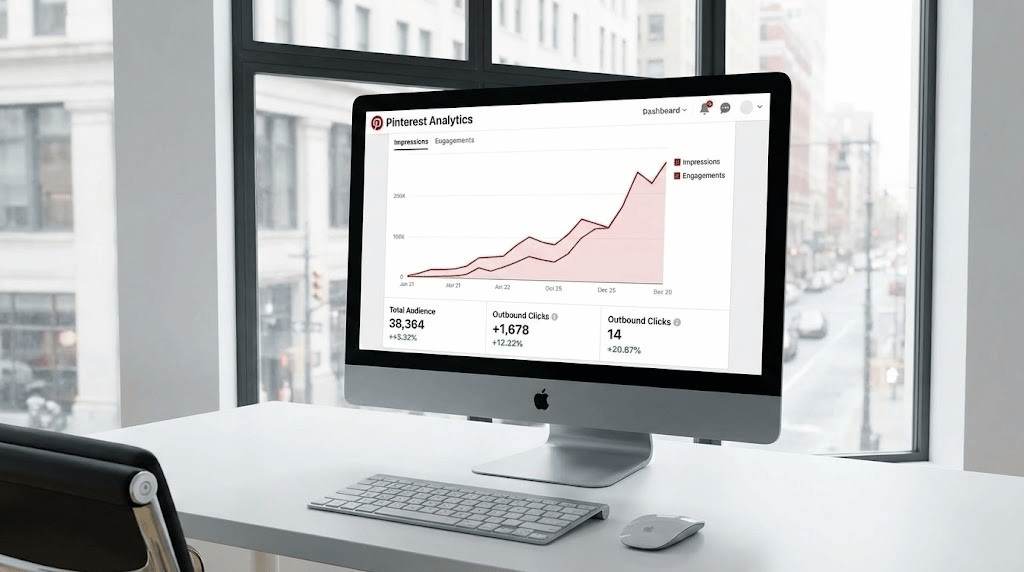
- Tracking Pin Performance: Which pins get clicks? Which ones are saved? These insights tell you what resonates.
- Understanding Your Audience: Analytics reveal who your audience is, where they come from, and what else they’re interested in. This informs your content strategy profoundly.
- Optimizing Your Strategy: Use what you learn. Double down on what works. Tweak what doesn’t.
Staying Current with Pinterest Trends
The platform evolves. Your strategy should too.
- Using Pinterest Trends Tool: This free tool shows you what people are searching for in real-time. It’s gold for content ideation.
- Seasonal Content Planning: Think ahead. Holidays, seasons, major events – plan your pins weeks, even months, in advance.
Consistent Pinning and Engagement
Consistency is the secret sauce.
- Developing a Content Schedule: A steady stream of fresh, relevant pins keeps your content in front of your audience and signals to Pinterest that you’re an active, valuable contributor.
- Engaging with Your Audience and Other Pinners: Respond to comments. Save other people’s pins (strategically). Be part of the community.
An app that I personally use for automating my pinning and making my life easier is Tailwind. This is a great app for scheduling your pins and an easy way to start getting followers.
Common Questions About Making Money on Pinterest (FAQ)
Can you make money on Pinterest without a blog?
Absolutely. While a blog can amplify your earnings, you can make money purely through affiliate marketing, selling digital products directly, or offering Pinterest management services. Many successful Pinterest users operate without a dedicated blog.
How many followers do you need to make money on Pinterest?
Unlike some other platforms, follower count is less important on Pinterest than reach and engagement. I’ve seen accounts with a few hundred followers generate significant income because their pins are highly optimized and valuable. Focus on quality content and consistent pinning over chasing follower numbers.
What are Rich Pins and how do they help with monetization?
Rich Pins automatically pull extra information from your linked website directly onto the pin itself. For products, this means showing real-time pricing and availability. For recipes, ingredients. For articles, the author and story description. This added information makes your pins more enticing, reduces clicks to get details, and builds trust, leading to higher conversion rates for monetization.
How long does it take to start earning money on Pinterest?
This varies widely. Some people see their first sales within a few weeks, while for others, it might take a few months of consistent effort. Pinterest is a long-game platform. Pins can gain traction weeks or even months after being published. The key is consistency, learning from your analytics, and adapting your strategy. Don’t expect overnight riches, but steady, strategic work pays off.
If you want help with designing your pins we have some Free Canva Pinterest Pin Templates that you can use for your pins.
ENTER YOUR EMAIL HERE TO JOIN THE FREE HOW TO START A BLOG E-COURSE
If you’re interested in starting an email list check out our guide on How to Start & Build an Email List from Scratch. If you already have an email list though, why not check out our guide on Email Content ideas for your Mailing list.